
Back Pain in Chefs: Tips From a Philadelphia Physical Therapist
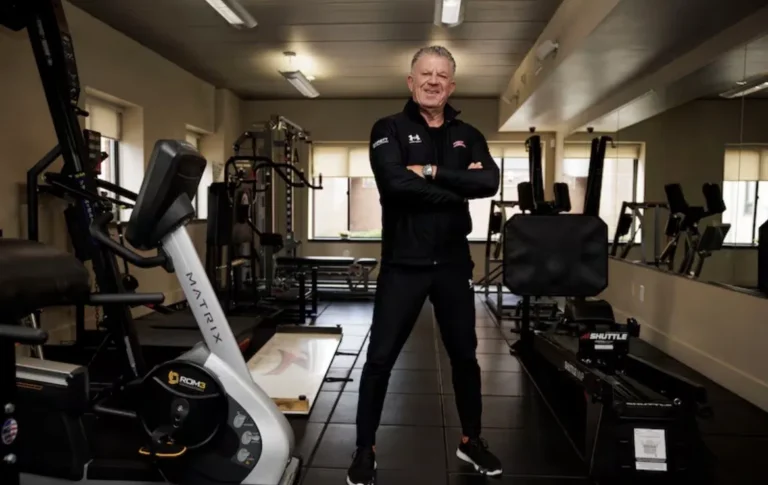
Back pain in chefs comes with the job: long shifts on hard floors, hunched over a prep table. Joe Zarett, a Philadelphia physical therapist, treats many of the city’s chefs and was recently featured in The Philadelphia Inquirer. Here is his advice and the research behind it, for anyone who works on their feet.
Why Back Pain in Chefs Is So Common
Standing on hard floors contributes to knee, hip, and back disorders, according to OSHA. Prep work adds repetition and a forward lean, which loads the neck and low back. Joe says neck and low back problems show up in nearly every chef he treats.
Fix the Workstation
A common guideline puts countertops a few inches below elbow height for cutting and prep, according to the Texas Division of Workers’ Compensation. If the counter is too low, you hunch. If it’s too high, your shoulders creep up. Some cooks stack cutting boards to raise the work surface.
The same guide suggests keeping elbows close to the body, storing heavy items at mid-height, and avoiding reaches below mid-thigh or above the shoulder. Joe advises restaurant owners on counter heights and on layouts that force you to favor one side, before the kitchen is built.
Floors, Shoes, and Movement
A systematic review found moderate evidence that cushioned materials, such as anti-fatigue mats and insoles, reduce discomfort and fatigue in standing workers. Research also links standing still to fatigue and pain, so change position when service allows.
Joe Zarett’s Advice Off the Line
Joe recommends swimming for a cardio workout without impact. He says cycling is good, but long hunched positions on the bike can overdo it. He also tells chefs to drink water through the day, since he says many don’t drink enough.
How a Philadelphia Physical Therapist Treats Kitchen Injuries
Treating back pain in chefs often runs for years. Joe uses tailored combinations of massage therapy, manual therapy, and exercise, and puts chefs on exercise programs once they’ve healed. He refers patients to other specialists, such as neurologists, when needed.
When to See a Physical Therapist
See a PT if back, neck, or foot pain lasts more than a few weeks, keeps coming back, or limits your work. Numbness or tingling down a leg, or loss of bladder or bowel control, needs urgent medical care. Feel free to schedule an appointment with us.

Mikael La Ferla
Mikael La Ferla is the Marketing Manager at Zarett Rehab & Fitness, a physical therapy and fitness clinic in Philadelphia. He writes about physical therapy, injury recovery, and staying active in Philadelphia, working with Zarett’s physical therapists to turn clinical expertise into practical guidance for patients. Mikael holds an MBA from Rutgers University and is also a Senior Accountant at PMC Property Group, bringing a background in finance to his work in healthcare marketing. Outside the office, he enjoys cooking and playing squash.
