1) Walking. Low-impact, keeps the spine moving. Clinical guidelines favor staying active over rest for ordinary back pain.
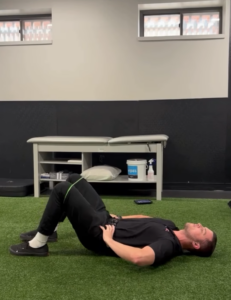
2) Glute Bridges. Strengthens the glutes so they take load off the lower back instead of leaving the back to compensate.
3) Cat-Cow. Moves the spine through a gentle range without load. Useful for stiffness, especially first thing in the morning.
4) Pallof Press. An anti-rotation exercise. Press a band or cable away from your chest and resist the twist. Trains the core to stabilize the spine instead of flexing it.
What Doesn’t Help Your Back
1) Sleeping/Resting It Off. Prolonged rest is specifically discouraged by clinical guidelines for ordinary back pain. Staying active tends to work better than waiting it out in bed.
2) Crunches.Repeated spinal flexion under load is what a lot of rehab approaches try to avoid, not add. The Pallof press is usually a better core option.
Why is there a Difference
The four that help either keep you moving or train the core to stabilize the spine without repeatedly bending it. The two that don’t help either remove movement entirely or load the spine in a pattern that tends to aggravate it.
When to come to Zarett Rehab
This applies to ordinary back pain, the kind from a long day or a bad lift. Numbness or tingling down a leg, loss of bladder or bowel control, fever, or pain after a real injury needs a medical evaluation, as opposed to a stretch routine. Feel free to schedule an appointment with us.
Join the athletes, executives, and families who trust Zarett Rehab & Fitness for physical therapy in Philadelphia. Schedule your appointment today and experience the difference expert care makes.